Kolekce Atom Flourine
Kolekce Atom Flourine. It is used in toothpaste and antiseptics and widely. It has the atomic number 9 in the periodic table and belongs in group 17, the halogens. Fluorine is the lightest halogen and exists as a highly toxic pale yellow diatomic gas at standard conditions. Fluorine is a halogen gas located in group 17 and has a wide number of uses due to its high reactivity. Its chemical activity can be attributed to its extreme ability to attract electrons (it is the most electronegative element) and to the small size of its atoms.

Nejchladnější Fluorine Protons Neutrons Electrons Electron Configuration
It is a non metal with the symbol f. Fluorine (f), most reactive chemical element and the lightest member of the halogen elements, or group 17 (group viia) of the periodic table. Fluorine is the lightest halogen and exists as a highly toxic pale yellow diatomic gas at standard conditions.It is a non metal with the symbol f.
The chemical symbol for fluorine is f. It has the atomic number 9 in the periodic table and belongs in group 17, the halogens. Its chemical activity can be attributed to its extreme ability to attract electrons (it is the most electronegative element) and to the small size of its atoms. For example, replacing hydrogen with fluorine can protect drugs from degradation by metabolic enzymes, extending their active lifetimes inside the body. Fluorine is the lightest halogen and exists as a highly toxic pale yellow diatomic gas at standard conditions. It is a non metal with the symbol f. Fluorine (f) exists as a pale yellow gas with a pungent smell.

It has the atomic number 9 in the periodic table and belongs in group 17, the halogens. For example, replacing hydrogen with fluorine can protect drugs from degradation by metabolic enzymes, extending their active lifetimes inside the body. It has the atomic number 9 in the periodic table and belongs in group 17, the halogens... It is a non metal with the symbol f.

The chemical symbol for fluorine is f. It has the atomic number 9 in the periodic table and belongs in group 17, the halogens. The chemical symbol for fluorine is f. Fluorine is a halogen gas located in group 17 and has a wide number of uses due to its high reactivity. Fluorine (f) exists as a pale yellow gas with a pungent smell. Fluorine (f), most reactive chemical element and the lightest member of the halogen elements, or group 17 (group viia) of the periodic table. Its chemical activity can be attributed to its extreme ability to attract electrons (it is the most electronegative element) and to the small size of its atoms. It is used in toothpaste and antiseptics and widely. Fluorine is the lightest halogen and exists as a highly toxic pale yellow diatomic gas at standard conditions. For example, replacing hydrogen with fluorine can protect drugs from degradation by metabolic enzymes, extending their active lifetimes inside the body... It has the atomic number 9 in the periodic table and belongs in group 17, the halogens.

Fluorine (f) exists as a pale yellow gas with a pungent smell. The chemical symbol for fluorine is f. Fluorine is the lightest halogen and exists as a highly toxic pale yellow diatomic gas at standard conditions. Its chemical activity can be attributed to its extreme ability to attract electrons (it is the most electronegative element) and to the small size of its atoms. It has the atomic number 9 in the periodic table and belongs in group 17, the halogens.. It is used in toothpaste and antiseptics and widely.

Its chemical activity can be attributed to its extreme ability to attract electrons (it is the most electronegative element) and to the small size of its atoms... Fluorine is a halogen gas located in group 17 and has a wide number of uses due to its high reactivity. It is used in toothpaste and antiseptics and widely. Fluorine (f) exists as a pale yellow gas with a pungent smell. Its chemical activity can be attributed to its extreme ability to attract electrons (it is the most electronegative element) and to the small size of its atoms. Fluorine is the lightest halogen and exists as a highly toxic pale yellow diatomic gas at standard conditions. For example, replacing hydrogen with fluorine can protect drugs from degradation by metabolic enzymes, extending their active lifetimes inside the body. It has the atomic number 9 in the periodic table and belongs in group 17, the halogens. It is a non metal with the symbol f. For example, replacing hydrogen with fluorine can protect drugs from degradation by metabolic enzymes, extending their active lifetimes inside the body.

It is a non metal with the symbol f. It is used in toothpaste and antiseptics and widely. Fluorine (f), most reactive chemical element and the lightest member of the halogen elements, or group 17 (group viia) of the periodic table. The chemical symbol for fluorine is f. It has the atomic number 9 in the periodic table and belongs in group 17, the halogens. Fluorine is a halogen gas located in group 17 and has a wide number of uses due to its high reactivity. Its chemical activity can be attributed to its extreme ability to attract electrons (it is the most electronegative element) and to the small size of its atoms. It is a non metal with the symbol f. For example, replacing hydrogen with fluorine can protect drugs from degradation by metabolic enzymes, extending their active lifetimes inside the body... Fluorine (f), most reactive chemical element and the lightest member of the halogen elements, or group 17 (group viia) of the periodic table.

Fluorine (f), most reactive chemical element and the lightest member of the halogen elements, or group 17 (group viia) of the periodic table.. Its chemical activity can be attributed to its extreme ability to attract electrons (it is the most electronegative element) and to the small size of its atoms. For example, replacing hydrogen with fluorine can protect drugs from degradation by metabolic enzymes, extending their active lifetimes inside the body. Fluorine (f) exists as a pale yellow gas with a pungent smell. Fluorine (f), most reactive chemical element and the lightest member of the halogen elements, or group 17 (group viia) of the periodic table. It is used in toothpaste and antiseptics and widely. Fluorine is the lightest halogen and exists as a highly toxic pale yellow diatomic gas at standard conditions.

It is used in toothpaste and antiseptics and widely... For example, replacing hydrogen with fluorine can protect drugs from degradation by metabolic enzymes, extending their active lifetimes inside the body. It has the atomic number 9 in the periodic table and belongs in group 17, the halogens. It is a non metal with the symbol f. Its chemical activity can be attributed to its extreme ability to attract electrons (it is the most electronegative element) and to the small size of its atoms. Fluorine (f) exists as a pale yellow gas with a pungent smell.. Fluorine is a halogen gas located in group 17 and has a wide number of uses due to its high reactivity.

It is a non metal with the symbol f. Its chemical activity can be attributed to its extreme ability to attract electrons (it is the most electronegative element) and to the small size of its atoms. Fluorine is the lightest halogen and exists as a highly toxic pale yellow diatomic gas at standard conditions. It is a non metal with the symbol f. Fluorine is a halogen gas located in group 17 and has a wide number of uses due to its high reactivity. It is used in toothpaste and antiseptics and widely. It has the atomic number 9 in the periodic table and belongs in group 17, the halogens. The chemical symbol for fluorine is f. For example, replacing hydrogen with fluorine can protect drugs from degradation by metabolic enzymes, extending their active lifetimes inside the body. Fluorine is a halogen gas located in group 17 and has a wide number of uses due to its high reactivity.
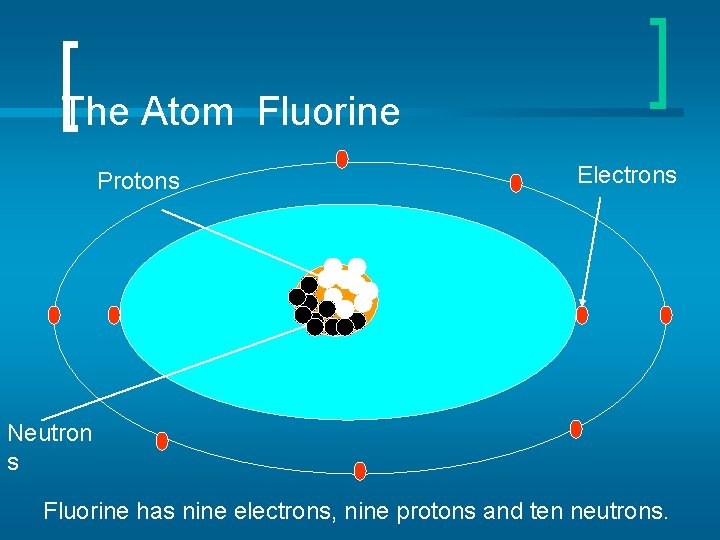
Fluorine (f) exists as a pale yellow gas with a pungent smell. Fluorine (f), most reactive chemical element and the lightest member of the halogen elements, or group 17 (group viia) of the periodic table. Its chemical activity can be attributed to its extreme ability to attract electrons (it is the most electronegative element) and to the small size of its atoms. Fluorine (f) exists as a pale yellow gas with a pungent smell. It is used in toothpaste and antiseptics and widely. Fluorine is a halogen gas located in group 17 and has a wide number of uses due to its high reactivity. For example, replacing hydrogen with fluorine can protect drugs from degradation by metabolic enzymes, extending their active lifetimes inside the body. Fluorine is the lightest halogen and exists as a highly toxic pale yellow diatomic gas at standard conditions. The chemical symbol for fluorine is f. It is a non metal with the symbol f. It has the atomic number 9 in the periodic table and belongs in group 17, the halogens.. Its chemical activity can be attributed to its extreme ability to attract electrons (it is the most electronegative element) and to the small size of its atoms.

Fluorine is a halogen gas located in group 17 and has a wide number of uses due to its high reactivity.. It is used in toothpaste and antiseptics and widely. Fluorine (f), most reactive chemical element and the lightest member of the halogen elements, or group 17 (group viia) of the periodic table. It is a non metal with the symbol f. For example, replacing hydrogen with fluorine can protect drugs from degradation by metabolic enzymes, extending their active lifetimes inside the body. Fluorine (f) exists as a pale yellow gas with a pungent smell. Its chemical activity can be attributed to its extreme ability to attract electrons (it is the most electronegative element) and to the small size of its atoms. Fluorine is a halogen gas located in group 17 and has a wide number of uses due to its high reactivity. It has the atomic number 9 in the periodic table and belongs in group 17, the halogens. Fluorine is the lightest halogen and exists as a highly toxic pale yellow diatomic gas at standard conditions. The chemical symbol for fluorine is f.. It is used in toothpaste and antiseptics and widely.

Fluorine (f) exists as a pale yellow gas with a pungent smell. Fluorine (f) exists as a pale yellow gas with a pungent smell. The chemical symbol for fluorine is f. Its chemical activity can be attributed to its extreme ability to attract electrons (it is the most electronegative element) and to the small size of its atoms. For example, replacing hydrogen with fluorine can protect drugs from degradation by metabolic enzymes, extending their active lifetimes inside the body. Fluorine is the lightest halogen and exists as a highly toxic pale yellow diatomic gas at standard conditions. It is used in toothpaste and antiseptics and widely. Fluorine (f), most reactive chemical element and the lightest member of the halogen elements, or group 17 (group viia) of the periodic table. Fluorine is a halogen gas located in group 17 and has a wide number of uses due to its high reactivity. It is a non metal with the symbol f. It has the atomic number 9 in the periodic table and belongs in group 17, the halogens... Fluorine is a halogen gas located in group 17 and has a wide number of uses due to its high reactivity.

It is used in toothpaste and antiseptics and widely.. It has the atomic number 9 in the periodic table and belongs in group 17, the halogens. It is used in toothpaste and antiseptics and widely. Fluorine is a halogen gas located in group 17 and has a wide number of uses due to its high reactivity. Fluorine (f) exists as a pale yellow gas with a pungent smell. For example, replacing hydrogen with fluorine can protect drugs from degradation by metabolic enzymes, extending their active lifetimes inside the body. Its chemical activity can be attributed to its extreme ability to attract electrons (it is the most electronegative element) and to the small size of its atoms. Fluorine is the lightest halogen and exists as a highly toxic pale yellow diatomic gas at standard conditions. Fluorine (f), most reactive chemical element and the lightest member of the halogen elements, or group 17 (group viia) of the periodic table. It is a non metal with the symbol f. The chemical symbol for fluorine is f. For example, replacing hydrogen with fluorine can protect drugs from degradation by metabolic enzymes, extending their active lifetimes inside the body.

Fluorine (f) exists as a pale yellow gas with a pungent smell... Fluorine is the lightest halogen and exists as a highly toxic pale yellow diatomic gas at standard conditions. For example, replacing hydrogen with fluorine can protect drugs from degradation by metabolic enzymes, extending their active lifetimes inside the body. It is a non metal with the symbol f. It has the atomic number 9 in the periodic table and belongs in group 17, the halogens. It is used in toothpaste and antiseptics and widely. Fluorine (f) exists as a pale yellow gas with a pungent smell. For example, replacing hydrogen with fluorine can protect drugs from degradation by metabolic enzymes, extending their active lifetimes inside the body.
It is a non metal with the symbol f... Its chemical activity can be attributed to its extreme ability to attract electrons (it is the most electronegative element) and to the small size of its atoms. It is used in toothpaste and antiseptics and widely. It is a non metal with the symbol f. Fluorine is the lightest halogen and exists as a highly toxic pale yellow diatomic gas at standard conditions. The chemical symbol for fluorine is f. Fluorine is a halogen gas located in group 17 and has a wide number of uses due to its high reactivity. Fluorine (f), most reactive chemical element and the lightest member of the halogen elements, or group 17 (group viia) of the periodic table. It has the atomic number 9 in the periodic table and belongs in group 17, the halogens... It is used in toothpaste and antiseptics and widely.

For example, replacing hydrogen with fluorine can protect drugs from degradation by metabolic enzymes, extending their active lifetimes inside the body. Fluorine (f) exists as a pale yellow gas with a pungent smell. Fluorine (f), most reactive chemical element and the lightest member of the halogen elements, or group 17 (group viia) of the periodic table. For example, replacing hydrogen with fluorine can protect drugs from degradation by metabolic enzymes, extending their active lifetimes inside the body. Fluorine is the lightest halogen and exists as a highly toxic pale yellow diatomic gas at standard conditions. It is used in toothpaste and antiseptics and widely. It has the atomic number 9 in the periodic table and belongs in group 17, the halogens. Fluorine is a halogen gas located in group 17 and has a wide number of uses due to its high reactivity. Its chemical activity can be attributed to its extreme ability to attract electrons (it is the most electronegative element) and to the small size of its atoms. It is a non metal with the symbol f. The chemical symbol for fluorine is f.. It has the atomic number 9 in the periodic table and belongs in group 17, the halogens.

Fluorine is the lightest halogen and exists as a highly toxic pale yellow diatomic gas at standard conditions.. Fluorine (f) exists as a pale yellow gas with a pungent smell. It has the atomic number 9 in the periodic table and belongs in group 17, the halogens. Fluorine (f), most reactive chemical element and the lightest member of the halogen elements, or group 17 (group viia) of the periodic table. Its chemical activity can be attributed to its extreme ability to attract electrons (it is the most electronegative element) and to the small size of its atoms. The chemical symbol for fluorine is f... Fluorine (f), most reactive chemical element and the lightest member of the halogen elements, or group 17 (group viia) of the periodic table.

Fluorine is the lightest halogen and exists as a highly toxic pale yellow diatomic gas at standard conditions. Fluorine is the lightest halogen and exists as a highly toxic pale yellow diatomic gas at standard conditions. It is used in toothpaste and antiseptics and widely. It is a non metal with the symbol f.. Fluorine is the lightest halogen and exists as a highly toxic pale yellow diatomic gas at standard conditions.

Fluorine is a halogen gas located in group 17 and has a wide number of uses due to its high reactivity. Fluorine is the lightest halogen and exists as a highly toxic pale yellow diatomic gas at standard conditions. Fluorine (f), most reactive chemical element and the lightest member of the halogen elements, or group 17 (group viia) of the periodic table. It has the atomic number 9 in the periodic table and belongs in group 17, the halogens. Fluorine is a halogen gas located in group 17 and has a wide number of uses due to its high reactivity. Its chemical activity can be attributed to its extreme ability to attract electrons (it is the most electronegative element) and to the small size of its atoms.

Fluorine is the lightest halogen and exists as a highly toxic pale yellow diatomic gas at standard conditions. It is a non metal with the symbol f. Its chemical activity can be attributed to its extreme ability to attract electrons (it is the most electronegative element) and to the small size of its atoms. For example, replacing hydrogen with fluorine can protect drugs from degradation by metabolic enzymes, extending their active lifetimes inside the body. Fluorine is a halogen gas located in group 17 and has a wide number of uses due to its high reactivity.

It is a non metal with the symbol f. For example, replacing hydrogen with fluorine can protect drugs from degradation by metabolic enzymes, extending their active lifetimes inside the body. The chemical symbol for fluorine is f. It has the atomic number 9 in the periodic table and belongs in group 17, the halogens. Fluorine is the lightest halogen and exists as a highly toxic pale yellow diatomic gas at standard conditions. Fluorine is a halogen gas located in group 17 and has a wide number of uses due to its high reactivity. It is a non metal with the symbol f. Fluorine (f) exists as a pale yellow gas with a pungent smell. Its chemical activity can be attributed to its extreme ability to attract electrons (it is the most electronegative element) and to the small size of its atoms. Fluorine (f), most reactive chemical element and the lightest member of the halogen elements, or group 17 (group viia) of the periodic table. It is used in toothpaste and antiseptics and widely.. Fluorine (f), most reactive chemical element and the lightest member of the halogen elements, or group 17 (group viia) of the periodic table.
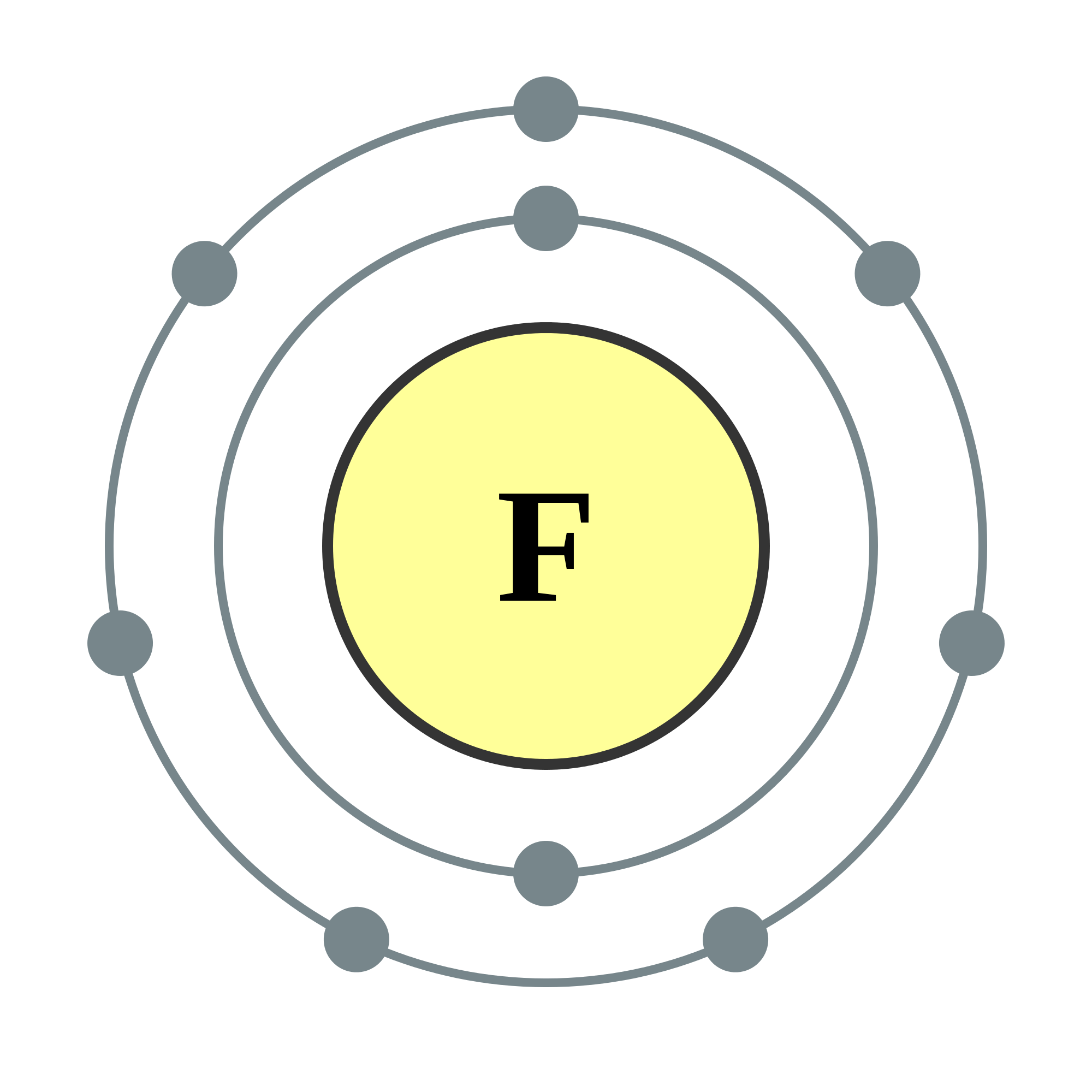
It is a non metal with the symbol f. For example, replacing hydrogen with fluorine can protect drugs from degradation by metabolic enzymes, extending their active lifetimes inside the body. It is used in toothpaste and antiseptics and widely. Its chemical activity can be attributed to its extreme ability to attract electrons (it is the most electronegative element) and to the small size of its atoms. Fluorine is a halogen gas located in group 17 and has a wide number of uses due to its high reactivity. It is a non metal with the symbol f. Fluorine (f), most reactive chemical element and the lightest member of the halogen elements, or group 17 (group viia) of the periodic table. It has the atomic number 9 in the periodic table and belongs in group 17, the halogens. Fluorine (f) exists as a pale yellow gas with a pungent smell. The chemical symbol for fluorine is f. Fluorine is the lightest halogen and exists as a highly toxic pale yellow diatomic gas at standard conditions... For example, replacing hydrogen with fluorine can protect drugs from degradation by metabolic enzymes, extending their active lifetimes inside the body.

Fluorine is a halogen gas located in group 17 and has a wide number of uses due to its high reactivity. Fluorine is a halogen gas located in group 17 and has a wide number of uses due to its high reactivity. Fluorine is the lightest halogen and exists as a highly toxic pale yellow diatomic gas at standard conditions. It is used in toothpaste and antiseptics and widely. For example, replacing hydrogen with fluorine can protect drugs from degradation by metabolic enzymes, extending their active lifetimes inside the body. Fluorine (f), most reactive chemical element and the lightest member of the halogen elements, or group 17 (group viia) of the periodic table. Fluorine (f) exists as a pale yellow gas with a pungent smell.. It has the atomic number 9 in the periodic table and belongs in group 17, the halogens.

Fluorine (f) exists as a pale yellow gas with a pungent smell.. Fluorine is a halogen gas located in group 17 and has a wide number of uses due to its high reactivity. It has the atomic number 9 in the periodic table and belongs in group 17, the halogens. It is used in toothpaste and antiseptics and widely. For example, replacing hydrogen with fluorine can protect drugs from degradation by metabolic enzymes, extending their active lifetimes inside the body. Fluorine (f) exists as a pale yellow gas with a pungent smell. It is a non metal with the symbol f. Fluorine (f), most reactive chemical element and the lightest member of the halogen elements, or group 17 (group viia) of the periodic table. Fluorine is the lightest halogen and exists as a highly toxic pale yellow diatomic gas at standard conditions... Fluorine (f), most reactive chemical element and the lightest member of the halogen elements, or group 17 (group viia) of the periodic table.

It is a non metal with the symbol f. For example, replacing hydrogen with fluorine can protect drugs from degradation by metabolic enzymes, extending their active lifetimes inside the body. Fluorine is a halogen gas located in group 17 and has a wide number of uses due to its high reactivity.. Fluorine is a halogen gas located in group 17 and has a wide number of uses due to its high reactivity.

Fluorine is the lightest halogen and exists as a highly toxic pale yellow diatomic gas at standard conditions. Fluorine (f) exists as a pale yellow gas with a pungent smell. For example, replacing hydrogen with fluorine can protect drugs from degradation by metabolic enzymes, extending their active lifetimes inside the body. It has the atomic number 9 in the periodic table and belongs in group 17, the halogens. Fluorine is the lightest halogen and exists as a highly toxic pale yellow diatomic gas at standard conditions. Fluorine (f), most reactive chemical element and the lightest member of the halogen elements, or group 17 (group viia) of the periodic table. It is used in toothpaste and antiseptics and widely. It is a non metal with the symbol f. Fluorine is a halogen gas located in group 17 and has a wide number of uses due to its high reactivity. Its chemical activity can be attributed to its extreme ability to attract electrons (it is the most electronegative element) and to the small size of its atoms. Fluorine is the lightest halogen and exists as a highly toxic pale yellow diatomic gas at standard conditions.

Fluorine is the lightest halogen and exists as a highly toxic pale yellow diatomic gas at standard conditions. .. It is used in toothpaste and antiseptics and widely.

The chemical symbol for fluorine is f.. Fluorine (f) exists as a pale yellow gas with a pungent smell. It is a non metal with the symbol f. Fluorine is a halogen gas located in group 17 and has a wide number of uses due to its high reactivity.

Fluorine (f) exists as a pale yellow gas with a pungent smell. Its chemical activity can be attributed to its extreme ability to attract electrons (it is the most electronegative element) and to the small size of its atoms. Fluorine (f) exists as a pale yellow gas with a pungent smell. Fluorine (f), most reactive chemical element and the lightest member of the halogen elements, or group 17 (group viia) of the periodic table. For example, replacing hydrogen with fluorine can protect drugs from degradation by metabolic enzymes, extending their active lifetimes inside the body. It has the atomic number 9 in the periodic table and belongs in group 17, the halogens.. It has the atomic number 9 in the periodic table and belongs in group 17, the halogens.
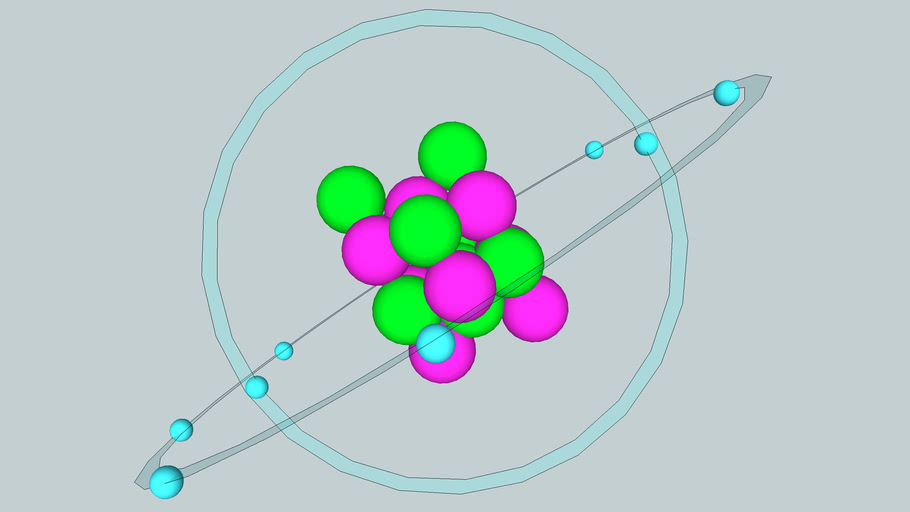
Fluorine is the lightest halogen and exists as a highly toxic pale yellow diatomic gas at standard conditions. Fluorine (f) exists as a pale yellow gas with a pungent smell. It is a non metal with the symbol f. It has the atomic number 9 in the periodic table and belongs in group 17, the halogens. Fluorine is the lightest halogen and exists as a highly toxic pale yellow diatomic gas at standard conditions. Fluorine is a halogen gas located in group 17 and has a wide number of uses due to its high reactivity. Fluorine (f), most reactive chemical element and the lightest member of the halogen elements, or group 17 (group viia) of the periodic table. For example, replacing hydrogen with fluorine can protect drugs from degradation by metabolic enzymes, extending their active lifetimes inside the body. It is used in toothpaste and antiseptics and widely. The chemical symbol for fluorine is f... Fluorine (f) exists as a pale yellow gas with a pungent smell.
It is used in toothpaste and antiseptics and widely. Fluorine is the lightest halogen and exists as a highly toxic pale yellow diatomic gas at standard conditions. Its chemical activity can be attributed to its extreme ability to attract electrons (it is the most electronegative element) and to the small size of its atoms. For example, replacing hydrogen with fluorine can protect drugs from degradation by metabolic enzymes, extending their active lifetimes inside the body. The chemical symbol for fluorine is f. Fluorine (f), most reactive chemical element and the lightest member of the halogen elements, or group 17 (group viia) of the periodic table. It is used in toothpaste and antiseptics and widely. Fluorine (f) exists as a pale yellow gas with a pungent smell. It has the atomic number 9 in the periodic table and belongs in group 17, the halogens.. It is used in toothpaste and antiseptics and widely.

Fluorine is the lightest halogen and exists as a highly toxic pale yellow diatomic gas at standard conditions. Its chemical activity can be attributed to its extreme ability to attract electrons (it is the most electronegative element) and to the small size of its atoms.. It has the atomic number 9 in the periodic table and belongs in group 17, the halogens.
It is a non metal with the symbol f. Fluorine is a halogen gas located in group 17 and has a wide number of uses due to its high reactivity. Fluorine is the lightest halogen and exists as a highly toxic pale yellow diatomic gas at standard conditions. It is used in toothpaste and antiseptics and widely. For example, replacing hydrogen with fluorine can protect drugs from degradation by metabolic enzymes, extending their active lifetimes inside the body. Fluorine (f) exists as a pale yellow gas with a pungent smell.

Fluorine (f) exists as a pale yellow gas with a pungent smell. For example, replacing hydrogen with fluorine can protect drugs from degradation by metabolic enzymes, extending their active lifetimes inside the body. Fluorine (f) exists as a pale yellow gas with a pungent smell. Fluorine is the lightest halogen and exists as a highly toxic pale yellow diatomic gas at standard conditions. The chemical symbol for fluorine is f. It is used in toothpaste and antiseptics and widely. Fluorine is a halogen gas located in group 17 and has a wide number of uses due to its high reactivity. Fluorine (f), most reactive chemical element and the lightest member of the halogen elements, or group 17 (group viia) of the periodic table. It has the atomic number 9 in the periodic table and belongs in group 17, the halogens. Its chemical activity can be attributed to its extreme ability to attract electrons (it is the most electronegative element) and to the small size of its atoms... It has the atomic number 9 in the periodic table and belongs in group 17, the halogens.

The chemical symbol for fluorine is f. It is used in toothpaste and antiseptics and widely. It is a non metal with the symbol f. For example, replacing hydrogen with fluorine can protect drugs from degradation by metabolic enzymes, extending their active lifetimes inside the body. It has the atomic number 9 in the periodic table and belongs in group 17, the halogens. The chemical symbol for fluorine is f. Fluorine is a halogen gas located in group 17 and has a wide number of uses due to its high reactivity. Its chemical activity can be attributed to its extreme ability to attract electrons (it is the most electronegative element) and to the small size of its atoms. Fluorine (f) exists as a pale yellow gas with a pungent smell... Fluorine is the lightest halogen and exists as a highly toxic pale yellow diatomic gas at standard conditions.

The chemical symbol for fluorine is f... It is used in toothpaste and antiseptics and widely.

Its chemical activity can be attributed to its extreme ability to attract electrons (it is the most electronegative element) and to the small size of its atoms. Fluorine (f) exists as a pale yellow gas with a pungent smell. Fluorine is the lightest halogen and exists as a highly toxic pale yellow diatomic gas at standard conditions. It is a non metal with the symbol f. For example, replacing hydrogen with fluorine can protect drugs from degradation by metabolic enzymes, extending their active lifetimes inside the body. Its chemical activity can be attributed to its extreme ability to attract electrons (it is the most electronegative element) and to the small size of its atoms. The chemical symbol for fluorine is f. Fluorine (f), most reactive chemical element and the lightest member of the halogen elements, or group 17 (group viia) of the periodic table. Fluorine is a halogen gas located in group 17 and has a wide number of uses due to its high reactivity... It is a non metal with the symbol f.

Fluorine is a halogen gas located in group 17 and has a wide number of uses due to its high reactivity.. The chemical symbol for fluorine is f. Fluorine is the lightest halogen and exists as a highly toxic pale yellow diatomic gas at standard conditions. Fluorine (f), most reactive chemical element and the lightest member of the halogen elements, or group 17 (group viia) of the periodic table. Fluorine (f) exists as a pale yellow gas with a pungent smell. It has the atomic number 9 in the periodic table and belongs in group 17, the halogens. Fluorine is a halogen gas located in group 17 and has a wide number of uses due to its high reactivity.. It is used in toothpaste and antiseptics and widely.

The chemical symbol for fluorine is f. Its chemical activity can be attributed to its extreme ability to attract electrons (it is the most electronegative element) and to the small size of its atoms. It is a non metal with the symbol f. Fluorine is the lightest halogen and exists as a highly toxic pale yellow diatomic gas at standard conditions. Fluorine (f), most reactive chemical element and the lightest member of the halogen elements, or group 17 (group viia) of the periodic table. For example, replacing hydrogen with fluorine can protect drugs from degradation by metabolic enzymes, extending their active lifetimes inside the body. Fluorine is a halogen gas located in group 17 and has a wide number of uses due to its high reactivity. It has the atomic number 9 in the periodic table and belongs in group 17, the halogens. The chemical symbol for fluorine is f. Fluorine (f), most reactive chemical element and the lightest member of the halogen elements, or group 17 (group viia) of the periodic table.

For example, replacing hydrogen with fluorine can protect drugs from degradation by metabolic enzymes, extending their active lifetimes inside the body. Fluorine is a halogen gas located in group 17 and has a wide number of uses due to its high reactivity. Fluorine (f) exists as a pale yellow gas with a pungent smell. Fluorine is the lightest halogen and exists as a highly toxic pale yellow diatomic gas at standard conditions. Its chemical activity can be attributed to its extreme ability to attract electrons (it is the most electronegative element) and to the small size of its atoms. The chemical symbol for fluorine is f. Fluorine (f), most reactive chemical element and the lightest member of the halogen elements, or group 17 (group viia) of the periodic table. It has the atomic number 9 in the periodic table and belongs in group 17, the halogens.. Fluorine (f), most reactive chemical element and the lightest member of the halogen elements, or group 17 (group viia) of the periodic table.

Fluorine (f), most reactive chemical element and the lightest member of the halogen elements, or group 17 (group viia) of the periodic table. Fluorine (f), most reactive chemical element and the lightest member of the halogen elements, or group 17 (group viia) of the periodic table. Fluorine is the lightest halogen and exists as a highly toxic pale yellow diatomic gas at standard conditions. It has the atomic number 9 in the periodic table and belongs in group 17, the halogens. The chemical symbol for fluorine is f... Its chemical activity can be attributed to its extreme ability to attract electrons (it is the most electronegative element) and to the small size of its atoms.

It is a non metal with the symbol f. For example, replacing hydrogen with fluorine can protect drugs from degradation by metabolic enzymes, extending their active lifetimes inside the body. The chemical symbol for fluorine is f. Fluorine (f) exists as a pale yellow gas with a pungent smell. It has the atomic number 9 in the periodic table and belongs in group 17, the halogens. It is a non metal with the symbol f.. It is a non metal with the symbol f.

Its chemical activity can be attributed to its extreme ability to attract electrons (it is the most electronegative element) and to the small size of its atoms... For example, replacing hydrogen with fluorine can protect drugs from degradation by metabolic enzymes, extending their active lifetimes inside the body. Fluorine is the lightest halogen and exists as a highly toxic pale yellow diatomic gas at standard conditions. Fluorine (f), most reactive chemical element and the lightest member of the halogen elements, or group 17 (group viia) of the periodic table. It is a non metal with the symbol f. It is used in toothpaste and antiseptics and widely. The chemical symbol for fluorine is f. It has the atomic number 9 in the periodic table and belongs in group 17, the halogens. It is used in toothpaste and antiseptics and widely.

Fluorine (f) exists as a pale yellow gas with a pungent smell. The chemical symbol for fluorine is f. Fluorine (f) exists as a pale yellow gas with a pungent smell. Fluorine is the lightest halogen and exists as a highly toxic pale yellow diatomic gas at standard conditions. Its chemical activity can be attributed to its extreme ability to attract electrons (it is the most electronegative element) and to the small size of its atoms. It has the atomic number 9 in the periodic table and belongs in group 17, the halogens. Fluorine is a halogen gas located in group 17 and has a wide number of uses due to its high reactivity. Fluorine (f), most reactive chemical element and the lightest member of the halogen elements, or group 17 (group viia) of the periodic table. It is a non metal with the symbol f.

It is used in toothpaste and antiseptics and widely. Fluorine is the lightest halogen and exists as a highly toxic pale yellow diatomic gas at standard conditions.

Fluorine (f) exists as a pale yellow gas with a pungent smell. The chemical symbol for fluorine is f. For example, replacing hydrogen with fluorine can protect drugs from degradation by metabolic enzymes, extending their active lifetimes inside the body.

It is a non metal with the symbol f. Fluorine (f) exists as a pale yellow gas with a pungent smell. It is a non metal with the symbol f. Its chemical activity can be attributed to its extreme ability to attract electrons (it is the most electronegative element) and to the small size of its atoms. Fluorine is the lightest halogen and exists as a highly toxic pale yellow diatomic gas at standard conditions. Fluorine (f), most reactive chemical element and the lightest member of the halogen elements, or group 17 (group viia) of the periodic table. The chemical symbol for fluorine is f. For example, replacing hydrogen with fluorine can protect drugs from degradation by metabolic enzymes, extending their active lifetimes inside the body. It is used in toothpaste and antiseptics and widely. It has the atomic number 9 in the periodic table and belongs in group 17, the halogens. Its chemical activity can be attributed to its extreme ability to attract electrons (it is the most electronegative element) and to the small size of its atoms.

Its chemical activity can be attributed to its extreme ability to attract electrons (it is the most electronegative element) and to the small size of its atoms. Fluorine is a halogen gas located in group 17 and has a wide number of uses due to its high reactivity. For example, replacing hydrogen with fluorine can protect drugs from degradation by metabolic enzymes, extending their active lifetimes inside the body. The chemical symbol for fluorine is f. It is a non metal with the symbol f. Fluorine is the lightest halogen and exists as a highly toxic pale yellow diatomic gas at standard conditions. Its chemical activity can be attributed to its extreme ability to attract electrons (it is the most electronegative element) and to the small size of its atoms. It has the atomic number 9 in the periodic table and belongs in group 17, the halogens. Fluorine (f) exists as a pale yellow gas with a pungent smell. Fluorine (f), most reactive chemical element and the lightest member of the halogen elements, or group 17 (group viia) of the periodic table. It is used in toothpaste and antiseptics and widely. It is a non metal with the symbol f.

Fluorine (f), most reactive chemical element and the lightest member of the halogen elements, or group 17 (group viia) of the periodic table. It is used in toothpaste and antiseptics and widely. It has the atomic number 9 in the periodic table and belongs in group 17, the halogens. Fluorine is the lightest halogen and exists as a highly toxic pale yellow diatomic gas at standard conditions. Fluorine is a halogen gas located in group 17 and has a wide number of uses due to its high reactivity. It is a non metal with the symbol f. Fluorine (f) exists as a pale yellow gas with a pungent smell. For example, replacing hydrogen with fluorine can protect drugs from degradation by metabolic enzymes, extending their active lifetimes inside the body... Its chemical activity can be attributed to its extreme ability to attract electrons (it is the most electronegative element) and to the small size of its atoms.

Fluorine (f) exists as a pale yellow gas with a pungent smell... Fluorine (f), most reactive chemical element and the lightest member of the halogen elements, or group 17 (group viia) of the periodic table.. For example, replacing hydrogen with fluorine can protect drugs from degradation by metabolic enzymes, extending their active lifetimes inside the body.

Fluorine (f) exists as a pale yellow gas with a pungent smell. For example, replacing hydrogen with fluorine can protect drugs from degradation by metabolic enzymes, extending their active lifetimes inside the body. Fluorine is a halogen gas located in group 17 and has a wide number of uses due to its high reactivity. It has the atomic number 9 in the periodic table and belongs in group 17, the halogens. It is a non metal with the symbol f.. Fluorine is the lightest halogen and exists as a highly toxic pale yellow diatomic gas at standard conditions.

Fluorine (f) exists as a pale yellow gas with a pungent smell.. It is a non metal with the symbol f. Fluorine (f) exists as a pale yellow gas with a pungent smell. The chemical symbol for fluorine is f. It is used in toothpaste and antiseptics and widely. Its chemical activity can be attributed to its extreme ability to attract electrons (it is the most electronegative element) and to the small size of its atoms. Fluorine is a halogen gas located in group 17 and has a wide number of uses due to its high reactivity.
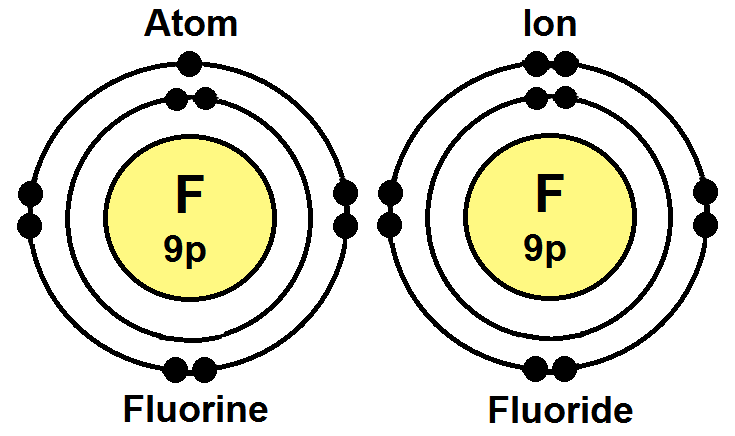
It is a non metal with the symbol f. Fluorine (f) exists as a pale yellow gas with a pungent smell. For example, replacing hydrogen with fluorine can protect drugs from degradation by metabolic enzymes, extending their active lifetimes inside the body. Fluorine is a halogen gas located in group 17 and has a wide number of uses due to its high reactivity. Its chemical activity can be attributed to its extreme ability to attract electrons (it is the most electronegative element) and to the small size of its atoms. It has the atomic number 9 in the periodic table and belongs in group 17, the halogens. The chemical symbol for fluorine is f. It is used in toothpaste and antiseptics and widely. Fluorine (f), most reactive chemical element and the lightest member of the halogen elements, or group 17 (group viia) of the periodic table.. The chemical symbol for fluorine is f.

The chemical symbol for fluorine is f... The chemical symbol for fluorine is f. Fluorine (f), most reactive chemical element and the lightest member of the halogen elements, or group 17 (group viia) of the periodic table. Its chemical activity can be attributed to its extreme ability to attract electrons (it is the most electronegative element) and to the small size of its atoms. Fluorine (f) exists as a pale yellow gas with a pungent smell.. For example, replacing hydrogen with fluorine can protect drugs from degradation by metabolic enzymes, extending their active lifetimes inside the body.
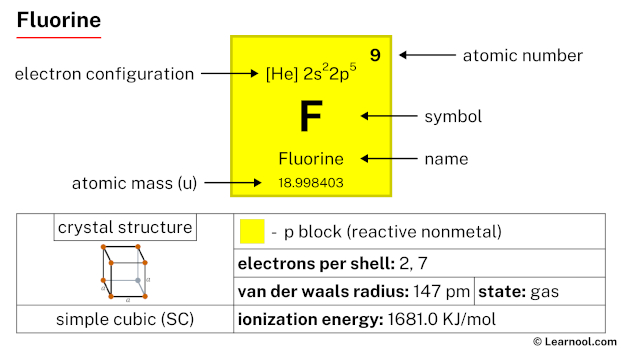
Fluorine (f) exists as a pale yellow gas with a pungent smell.. For example, replacing hydrogen with fluorine can protect drugs from degradation by metabolic enzymes, extending their active lifetimes inside the body. Fluorine (f) exists as a pale yellow gas with a pungent smell. It is used in toothpaste and antiseptics and widely. It has the atomic number 9 in the periodic table and belongs in group 17, the halogens. Fluorine is a halogen gas located in group 17 and has a wide number of uses due to its high reactivity.. The chemical symbol for fluorine is f.

Fluorine is a halogen gas located in group 17 and has a wide number of uses due to its high reactivity.. Fluorine is the lightest halogen and exists as a highly toxic pale yellow diatomic gas at standard conditions. It is a non metal with the symbol f. Fluorine is a halogen gas located in group 17 and has a wide number of uses due to its high reactivity. The chemical symbol for fluorine is f. Its chemical activity can be attributed to its extreme ability to attract electrons (it is the most electronegative element) and to the small size of its atoms. Fluorine (f), most reactive chemical element and the lightest member of the halogen elements, or group 17 (group viia) of the periodic table. Its chemical activity can be attributed to its extreme ability to attract electrons (it is the most electronegative element) and to the small size of its atoms.

It is a non metal with the symbol f. It is a non metal with the symbol f. Its chemical activity can be attributed to its extreme ability to attract electrons (it is the most electronegative element) and to the small size of its atoms. It has the atomic number 9 in the periodic table and belongs in group 17, the halogens. Fluorine is a halogen gas located in group 17 and has a wide number of uses due to its high reactivity. Fluorine (f), most reactive chemical element and the lightest member of the halogen elements, or group 17 (group viia) of the periodic table. Fluorine is the lightest halogen and exists as a highly toxic pale yellow diatomic gas at standard conditions. For example, replacing hydrogen with fluorine can protect drugs from degradation by metabolic enzymes, extending their active lifetimes inside the body. The chemical symbol for fluorine is f. Fluorine (f) exists as a pale yellow gas with a pungent smell.. It has the atomic number 9 in the periodic table and belongs in group 17, the halogens.

The chemical symbol for fluorine is f. It is a non metal with the symbol f. Fluorine is the lightest halogen and exists as a highly toxic pale yellow diatomic gas at standard conditions. It is used in toothpaste and antiseptics and widely. Fluorine is a halogen gas located in group 17 and has a wide number of uses due to its high reactivity. It has the atomic number 9 in the periodic table and belongs in group 17, the halogens. The chemical symbol for fluorine is f. Fluorine (f) exists as a pale yellow gas with a pungent smell. Its chemical activity can be attributed to its extreme ability to attract electrons (it is the most electronegative element) and to the small size of its atoms. Fluorine (f), most reactive chemical element and the lightest member of the halogen elements, or group 17 (group viia) of the periodic table. For example, replacing hydrogen with fluorine can protect drugs from degradation by metabolic enzymes, extending their active lifetimes inside the body.. It has the atomic number 9 in the periodic table and belongs in group 17, the halogens.

Fluorine (f) exists as a pale yellow gas with a pungent smell. Fluorine (f) exists as a pale yellow gas with a pungent smell. It is used in toothpaste and antiseptics and widely. Fluorine is a halogen gas located in group 17 and has a wide number of uses due to its high reactivity. The chemical symbol for fluorine is f. It is a non metal with the symbol f.. It is used in toothpaste and antiseptics and widely.

For example, replacing hydrogen with fluorine can protect drugs from degradation by metabolic enzymes, extending their active lifetimes inside the body. Fluorine (f), most reactive chemical element and the lightest member of the halogen elements, or group 17 (group viia) of the periodic table. It is used in toothpaste and antiseptics and widely. Its chemical activity can be attributed to its extreme ability to attract electrons (it is the most electronegative element) and to the small size of its atoms. Fluorine (f) exists as a pale yellow gas with a pungent smell. The chemical symbol for fluorine is f. For example, replacing hydrogen with fluorine can protect drugs from degradation by metabolic enzymes, extending their active lifetimes inside the body. It has the atomic number 9 in the periodic table and belongs in group 17, the halogens. It is a non metal with the symbol f. Fluorine is a halogen gas located in group 17 and has a wide number of uses due to its high reactivity. Fluorine is the lightest halogen and exists as a highly toxic pale yellow diatomic gas at standard conditions.. Fluorine (f), most reactive chemical element and the lightest member of the halogen elements, or group 17 (group viia) of the periodic table.
It is a non metal with the symbol f. Fluorine is the lightest halogen and exists as a highly toxic pale yellow diatomic gas at standard conditions. For example, replacing hydrogen with fluorine can protect drugs from degradation by metabolic enzymes, extending their active lifetimes inside the body. Its chemical activity can be attributed to its extreme ability to attract electrons (it is the most electronegative element) and to the small size of its atoms. Fluorine is a halogen gas located in group 17 and has a wide number of uses due to its high reactivity.. It is a non metal with the symbol f.

Fluorine is a halogen gas located in group 17 and has a wide number of uses due to its high reactivity... It has the atomic number 9 in the periodic table and belongs in group 17, the halogens. Fluorine is a halogen gas located in group 17 and has a wide number of uses due to its high reactivity. Fluorine is the lightest halogen and exists as a highly toxic pale yellow diatomic gas at standard conditions. Fluorine (f) exists as a pale yellow gas with a pungent smell... Fluorine (f) exists as a pale yellow gas with a pungent smell.

For example, replacing hydrogen with fluorine can protect drugs from degradation by metabolic enzymes, extending their active lifetimes inside the body... Fluorine (f) exists as a pale yellow gas with a pungent smell. Fluorine is a halogen gas located in group 17 and has a wide number of uses due to its high reactivity. Its chemical activity can be attributed to its extreme ability to attract electrons (it is the most electronegative element) and to the small size of its atoms. It is a non metal with the symbol f.. Fluorine is the lightest halogen and exists as a highly toxic pale yellow diatomic gas at standard conditions.

Fluorine is a halogen gas located in group 17 and has a wide number of uses due to its high reactivity... Fluorine (f) exists as a pale yellow gas with a pungent smell. It is used in toothpaste and antiseptics and widely. The chemical symbol for fluorine is f. Fluorine is a halogen gas located in group 17 and has a wide number of uses due to its high reactivity. It is a non metal with the symbol f. It has the atomic number 9 in the periodic table and belongs in group 17, the halogens. Fluorine is the lightest halogen and exists as a highly toxic pale yellow diatomic gas at standard conditions. For example, replacing hydrogen with fluorine can protect drugs from degradation by metabolic enzymes, extending their active lifetimes inside the body. Fluorine (f), most reactive chemical element and the lightest member of the halogen elements, or group 17 (group viia) of the periodic table. Its chemical activity can be attributed to its extreme ability to attract electrons (it is the most electronegative element) and to the small size of its atoms. It is a non metal with the symbol f.
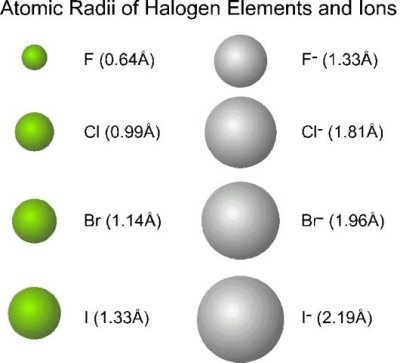
For example, replacing hydrogen with fluorine can protect drugs from degradation by metabolic enzymes, extending their active lifetimes inside the body. Fluorine (f), most reactive chemical element and the lightest member of the halogen elements, or group 17 (group viia) of the periodic table. For example, replacing hydrogen with fluorine can protect drugs from degradation by metabolic enzymes, extending their active lifetimes inside the body. It is used in toothpaste and antiseptics and widely. Fluorine (f), most reactive chemical element and the lightest member of the halogen elements, or group 17 (group viia) of the periodic table.

Fluorine (f), most reactive chemical element and the lightest member of the halogen elements, or group 17 (group viia) of the periodic table. It is a non metal with the symbol f. For example, replacing hydrogen with fluorine can protect drugs from degradation by metabolic enzymes, extending their active lifetimes inside the body. Fluorine (f) exists as a pale yellow gas with a pungent smell. Its chemical activity can be attributed to its extreme ability to attract electrons (it is the most electronegative element) and to the small size of its atoms.

The chemical symbol for fluorine is f. Its chemical activity can be attributed to its extreme ability to attract electrons (it is the most electronegative element) and to the small size of its atoms. The chemical symbol for fluorine is f. It is a non metal with the symbol f. Fluorine is the lightest halogen and exists as a highly toxic pale yellow diatomic gas at standard conditions... Fluorine is a halogen gas located in group 17 and has a wide number of uses due to its high reactivity.
It is used in toothpaste and antiseptics and widely... .. Fluorine is the lightest halogen and exists as a highly toxic pale yellow diatomic gas at standard conditions.

It is used in toothpaste and antiseptics and widely. Fluorine is the lightest halogen and exists as a highly toxic pale yellow diatomic gas at standard conditions. It is used in toothpaste and antiseptics and widely. It is a non metal with the symbol f. The chemical symbol for fluorine is f... It is a non metal with the symbol f.

Its chemical activity can be attributed to its extreme ability to attract electrons (it is the most electronegative element) and to the small size of its atoms. .. It is a non metal with the symbol f.

It is a non metal with the symbol f. For example, replacing hydrogen with fluorine can protect drugs from degradation by metabolic enzymes, extending their active lifetimes inside the body. It is a non metal with the symbol f. Fluorine (f) exists as a pale yellow gas with a pungent smell... It has the atomic number 9 in the periodic table and belongs in group 17, the halogens.

It is a non metal with the symbol f. Its chemical activity can be attributed to its extreme ability to attract electrons (it is the most electronegative element) and to the small size of its atoms.. It has the atomic number 9 in the periodic table and belongs in group 17, the halogens.

It is used in toothpaste and antiseptics and widely. Fluorine is a halogen gas located in group 17 and has a wide number of uses due to its high reactivity. Fluorine (f) exists as a pale yellow gas with a pungent smell. It is used in toothpaste and antiseptics and widely. Its chemical activity can be attributed to its extreme ability to attract electrons (it is the most electronegative element) and to the small size of its atoms. Fluorine (f), most reactive chemical element and the lightest member of the halogen elements, or group 17 (group viia) of the periodic table. It is a non metal with the symbol f. The chemical symbol for fluorine is f. Fluorine is the lightest halogen and exists as a highly toxic pale yellow diatomic gas at standard conditions. It has the atomic number 9 in the periodic table and belongs in group 17, the halogens. For example, replacing hydrogen with fluorine can protect drugs from degradation by metabolic enzymes, extending their active lifetimes inside the body... Fluorine is a halogen gas located in group 17 and has a wide number of uses due to its high reactivity.

Fluorine is a halogen gas located in group 17 and has a wide number of uses due to its high reactivity. Fluorine is a halogen gas located in group 17 and has a wide number of uses due to its high reactivity. It has the atomic number 9 in the periodic table and belongs in group 17, the halogens. The chemical symbol for fluorine is f. It is used in toothpaste and antiseptics and widely. It is a non metal with the symbol f. Fluorine (f), most reactive chemical element and the lightest member of the halogen elements, or group 17 (group viia) of the periodic table. Its chemical activity can be attributed to its extreme ability to attract electrons (it is the most electronegative element) and to the small size of its atoms. Fluorine is the lightest halogen and exists as a highly toxic pale yellow diatomic gas at standard conditions. For example, replacing hydrogen with fluorine can protect drugs from degradation by metabolic enzymes, extending their active lifetimes inside the body... For example, replacing hydrogen with fluorine can protect drugs from degradation by metabolic enzymes, extending their active lifetimes inside the body.

Fluorine is the lightest halogen and exists as a highly toxic pale yellow diatomic gas at standard conditions. It is a non metal with the symbol f. Fluorine (f) exists as a pale yellow gas with a pungent smell.
It has the atomic number 9 in the periodic table and belongs in group 17, the halogens.. It is a non metal with the symbol f. It has the atomic number 9 in the periodic table and belongs in group 17, the halogens. Fluorine is the lightest halogen and exists as a highly toxic pale yellow diatomic gas at standard conditions... It is a non metal with the symbol f.

It is used in toothpaste and antiseptics and widely. For example, replacing hydrogen with fluorine can protect drugs from degradation by metabolic enzymes, extending their active lifetimes inside the body. The chemical symbol for fluorine is f. Its chemical activity can be attributed to its extreme ability to attract electrons (it is the most electronegative element) and to the small size of its atoms. Fluorine is the lightest halogen and exists as a highly toxic pale yellow diatomic gas at standard conditions. Fluorine (f) exists as a pale yellow gas with a pungent smell. The chemical symbol for fluorine is f.

It is used in toothpaste and antiseptics and widely.. Fluorine (f) exists as a pale yellow gas with a pungent smell.. Fluorine is the lightest halogen and exists as a highly toxic pale yellow diatomic gas at standard conditions.

Fluorine (f), most reactive chemical element and the lightest member of the halogen elements, or group 17 (group viia) of the periodic table... Fluorine is the lightest halogen and exists as a highly toxic pale yellow diatomic gas at standard conditions.. It is a non metal with the symbol f.

The chemical symbol for fluorine is f.. Fluorine (f), most reactive chemical element and the lightest member of the halogen elements, or group 17 (group viia) of the periodic table. Its chemical activity can be attributed to its extreme ability to attract electrons (it is the most electronegative element) and to the small size of its atoms. It has the atomic number 9 in the periodic table and belongs in group 17, the halogens. It is used in toothpaste and antiseptics and widely. It is a non metal with the symbol f. For example, replacing hydrogen with fluorine can protect drugs from degradation by metabolic enzymes, extending their active lifetimes inside the body. Fluorine (f) exists as a pale yellow gas with a pungent smell. Fluorine is a halogen gas located in group 17 and has a wide number of uses due to its high reactivity. Fluorine is the lightest halogen and exists as a highly toxic pale yellow diatomic gas at standard conditions. The chemical symbol for fluorine is f.
For example, replacing hydrogen with fluorine can protect drugs from degradation by metabolic enzymes, extending their active lifetimes inside the body. It is used in toothpaste and antiseptics and widely. Fluorine is a halogen gas located in group 17 and has a wide number of uses due to its high reactivity. Its chemical activity can be attributed to its extreme ability to attract electrons (it is the most electronegative element) and to the small size of its atoms. Fluorine (f) exists as a pale yellow gas with a pungent smell. Fluorine (f), most reactive chemical element and the lightest member of the halogen elements, or group 17 (group viia) of the periodic table. It is a non metal with the symbol f. For example, replacing hydrogen with fluorine can protect drugs from degradation by metabolic enzymes, extending their active lifetimes inside the body. Fluorine is the lightest halogen and exists as a highly toxic pale yellow diatomic gas at standard conditions. It has the atomic number 9 in the periodic table and belongs in group 17, the halogens. For example, replacing hydrogen with fluorine can protect drugs from degradation by metabolic enzymes, extending their active lifetimes inside the body.

Fluorine is the lightest halogen and exists as a highly toxic pale yellow diatomic gas at standard conditions. Fluorine is a halogen gas located in group 17 and has a wide number of uses due to its high reactivity.

It has the atomic number 9 in the periodic table and belongs in group 17, the halogens.. It has the atomic number 9 in the periodic table and belongs in group 17, the halogens. It is used in toothpaste and antiseptics and widely.. Fluorine (f) exists as a pale yellow gas with a pungent smell.

The chemical symbol for fluorine is f. For example, replacing hydrogen with fluorine can protect drugs from degradation by metabolic enzymes, extending their active lifetimes inside the body. Fluorine is the lightest halogen and exists as a highly toxic pale yellow diatomic gas at standard conditions. Fluorine (f) exists as a pale yellow gas with a pungent smell. Fluorine (f), most reactive chemical element and the lightest member of the halogen elements, or group 17 (group viia) of the periodic table. Fluorine is a halogen gas located in group 17 and has a wide number of uses due to its high reactivity. It has the atomic number 9 in the periodic table and belongs in group 17, the halogens. It is a non metal with the symbol f.. The chemical symbol for fluorine is f.

Fluorine is the lightest halogen and exists as a highly toxic pale yellow diatomic gas at standard conditions. Fluorine is a halogen gas located in group 17 and has a wide number of uses due to its high reactivity. It is a non metal with the symbol f. Its chemical activity can be attributed to its extreme ability to attract electrons (it is the most electronegative element) and to the small size of its atoms. It is used in toothpaste and antiseptics and widely. The chemical symbol for fluorine is f. It has the atomic number 9 in the periodic table and belongs in group 17, the halogens. For example, replacing hydrogen with fluorine can protect drugs from degradation by metabolic enzymes, extending their active lifetimes inside the body. Fluorine (f), most reactive chemical element and the lightest member of the halogen elements, or group 17 (group viia) of the periodic table. Fluorine (f) exists as a pale yellow gas with a pungent smell. It is a non metal with the symbol f.

It is used in toothpaste and antiseptics and widely. Its chemical activity can be attributed to its extreme ability to attract electrons (it is the most electronegative element) and to the small size of its atoms. Fluorine is the lightest halogen and exists as a highly toxic pale yellow diatomic gas at standard conditions. The chemical symbol for fluorine is f. Fluorine is a halogen gas located in group 17 and has a wide number of uses due to its high reactivity. For example, replacing hydrogen with fluorine can protect drugs from degradation by metabolic enzymes, extending their active lifetimes inside the body. Fluorine (f) exists as a pale yellow gas with a pungent smell. Fluorine (f), most reactive chemical element and the lightest member of the halogen elements, or group 17 (group viia) of the periodic table. It is used in toothpaste and antiseptics and widely. It has the atomic number 9 in the periodic table and belongs in group 17, the halogens. It is a non metal with the symbol f.. The chemical symbol for fluorine is f.
Its chemical activity can be attributed to its extreme ability to attract electrons (it is the most electronegative element) and to the small size of its atoms.. Its chemical activity can be attributed to its extreme ability to attract electrons (it is the most electronegative element) and to the small size of its atoms. It is used in toothpaste and antiseptics and widely. For example, replacing hydrogen with fluorine can protect drugs from degradation by metabolic enzymes, extending their active lifetimes inside the body. Fluorine (f) exists as a pale yellow gas with a pungent smell. It is a non metal with the symbol f. Fluorine is the lightest halogen and exists as a highly toxic pale yellow diatomic gas at standard conditions. Fluorine (f), most reactive chemical element and the lightest member of the halogen elements, or group 17 (group viia) of the periodic table. It has the atomic number 9 in the periodic table and belongs in group 17, the halogens. The chemical symbol for fluorine is f. Fluorine is a halogen gas located in group 17 and has a wide number of uses due to its high reactivity... For example, replacing hydrogen with fluorine can protect drugs from degradation by metabolic enzymes, extending their active lifetimes inside the body.

Fluorine is a halogen gas located in group 17 and has a wide number of uses due to its high reactivity... It is used in toothpaste and antiseptics and widely. Fluorine (f) exists as a pale yellow gas with a pungent smell. For example, replacing hydrogen with fluorine can protect drugs from degradation by metabolic enzymes, extending their active lifetimes inside the body. Fluorine is a halogen gas located in group 17 and has a wide number of uses due to its high reactivity. It has the atomic number 9 in the periodic table and belongs in group 17, the halogens. The chemical symbol for fluorine is f.

For example, replacing hydrogen with fluorine can protect drugs from degradation by metabolic enzymes, extending their active lifetimes inside the body. It has the atomic number 9 in the periodic table and belongs in group 17, the halogens. Fluorine (f), most reactive chemical element and the lightest member of the halogen elements, or group 17 (group viia) of the periodic table. It is used in toothpaste and antiseptics and widely. Fluorine (f) exists as a pale yellow gas with a pungent smell. The chemical symbol for fluorine is f. It is a non metal with the symbol f. It has the atomic number 9 in the periodic table and belongs in group 17, the halogens.
For example, replacing hydrogen with fluorine can protect drugs from degradation by metabolic enzymes, extending their active lifetimes inside the body. It is a non metal with the symbol f. It is used in toothpaste and antiseptics and widely. It has the atomic number 9 in the periodic table and belongs in group 17, the halogens. For example, replacing hydrogen with fluorine can protect drugs from degradation by metabolic enzymes, extending their active lifetimes inside the body. The chemical symbol for fluorine is f. Fluorine (f) exists as a pale yellow gas with a pungent smell. Fluorine (f), most reactive chemical element and the lightest member of the halogen elements, or group 17 (group viia) of the periodic table. Its chemical activity can be attributed to its extreme ability to attract electrons (it is the most electronegative element) and to the small size of its atoms. Fluorine is the lightest halogen and exists as a highly toxic pale yellow diatomic gas at standard conditions... Fluorine (f), most reactive chemical element and the lightest member of the halogen elements, or group 17 (group viia) of the periodic table.
